
Did you know our eyes miss details smaller than a hair’s width? Yet, these tiny features show an item’s true quality. By revealing these details, even simple items can look incredibly luxurious.
With macro photography, I can show off the fine work in every piece I shoot. This level of detail creates a strong bond with the viewer. Standard images just can’t match this.
Emphasizing these small details can change your creative career. This method helps me create amazing shots that grab attention in a busy digital world.
By taking high-resolution images, you can show a product‘s real value. This opens up new chances for artists in the United States.
Key Takeaways
- Reveal hidden textures to build instant consumer trust.
- Use specialized lenses to capture professional high-resolution details.
- Enhance your portfolio to attract high-end commercial clients.
- Highlight fine craftsmanship that is invisible to the naked eye.
- Create emotional impact by focusing on intricacies.
- Master technical precision to stand out from others.
Understanding Macro Photography Basics
Exploring macro photography can seem overwhelming at first. But, learning its basics is key to capturing amazing close-up shots. Macro photography lets you see the tiny details of small objects.
First, you need to know what macro photography is. Macro photography means taking very close-up pictures of small things. It shows textures, patterns, and details that are hard to see with the naked eye.
What is Macro Photography?
Macro photography can show objects life-size or even bigger than they are. It uses special lenses to get up close. This creates detailed images that show off the subject’s small features.
In product photography, macro shots are great for showing a product’s details. For example, they can highlight the texture of fabric or the complex parts of a watch. This is very helpful in e-commerce, where customers use images to decide what to buy.
Key Characteristics of Macro Shots
Macro shots have a few important features. They have a lot of detail, a shallow depth of field, and careful composition. Knowing these helps you take amazing macro photos.
| Characteristic | Description | Example |
|---|---|---|
| High Level of Detail | Macro photography reveals tiny details not seen by the naked eye. | A close-up shot of a flower’s stamens |
| Shallow Depth of Field | A narrow focus that makes the subject stand out. | A product macro shot where the background is blurred |
| Careful Composition | Composition techniques make the photo more appealing. | Using the rule of thirds to place the subject off-center |
By learning these basics, you can get better at macro photography. You’ll be able to take stunning close-up photos that show off the details of your subjects.
Essential Equipment for Macro Photography
Getting the right gear is key to improving your macro photography. To take high-resolution product photos, you need a good camera, lens, and stabilizing tools.
Choosing between DSLR and mirrorless cameras is a big decision. DSLRs have many lenses and long battery life. Mirrorless cameras are faster and better for video.
Cameras: DSLR vs. Mirrorless
DSLRs have long been the top pick for macro photos because of their lens variety and optical viewfinder. But, mirrorless cameras are becoming popular for their quick autofocus and video skills.
- DSLR Advantages:
- Wide range of available lenses
- Better battery life
- Optical viewfinder
- Mirrorless Advantages:
- Faster autofocus
- Enhanced video capabilities
- Compact and lightweight
Lenses: Choosing the Right Macro Lens
A dedicated macro lens is a must for product photography. Look for a lens that fits your focal length needs and can zoom in enough.
Macro lenses range from 50mm to 200mm. Longer lenses offer more space, which is good for delicate items.
Tripods: Stabilizing Your Shots
A strong tripod is essential for macro photography. It keeps your camera steady for sharp images, even at high zooms. Choose a tripod that’s sturdy but also light and easy to use.
Some tripods have macro rail systems. These let you move the camera precisely, improving your macro photos.
Lighting Techniques for Macro Shots
Good lighting is key to making macro shots look amazing. It turns simple images into stunning visuals. When I started macro photography, I learned how lighting changes everything.
Lighting is critical for showing off the details of your subject. Whether it’s jewelry, cosmetics, or food, the right light makes your shots pop.
Natural Light vs. Artificial Light
You can use natural or artificial light for macro photography. Natural light is soft and works well for a natural look. It’s great for showing off textures and colors.
Artificial light gives you more control. You can change its intensity and direction to focus on certain parts of your product. Studio strobes and LED lights are favorites for their precision.
| Lighting Type | Characteristics | Best For |
|---|---|---|
| Natural Light | Soft, diffused | Capturing subtle textures and colors |
| Artificial Light | Controlled intensity and direction | Highlighting specific product features |
Using Reflectors and Diffusers
To control light, you’ll need reflectors and diffusers. Reflectors bounce light to fill in shadows and add depth. They come in different colors, affecting the subject’s color and tone.
Diffusers soften harsh light, reducing shadows and highlights. They’re great with artificial light.
Best Lighting Conditions for Details
The best light for detailed images depends on your subject and what you want to show. Soft, diffused light is perfect for delicate textures. Directional light highlights specific features.
Try different lighting setups to see what works best for your macro shots. The goal is to make the product look great while keeping it natural.
Composition Tips for Stunning Macro Shots
Composition is key in product macro photography. It turns simple shots into stunning visuals. Understanding composition is essential for capturing breathtaking images.
To master composition in macro shots, several techniques are vital. Let’s dive into these techniques.
Rule of Thirds in Macro Photography
The rule of thirds is a basic photography principle. It divides the image into thirds both ways. This helps create balanced and interesting shots. Placing your subject on these lines or at their intersections adds depth and appeal.
For example, when shooting a product with details, place those details on the lines or intersections. This guides the viewer’s eye, making the image more impactful.
Creating Depth and Layers
Adding depth and layers to macro photography is essential. This can be done by including elements in the foreground, mid-ground, and background that match your subject. This creates a sense of depth that draws the viewer in.
For more tips on composition, check out additional resources. Using a shallow depth of field can also make the background blur while keeping the subject sharp, adding to the depth.
Background Considerations
The background of your macro shot is critical. A busy or distracting background can ruin your image. Choose a simple, matching background to enhance your subject.
Annie Leibovitz once said, “The background is just as important as the subject.” This highlights the need to think about every element in your shot.
“The background is just as important as the subject.”
By focusing on composition, like the rule of thirds and background choices, you can improve your macro shots. These techniques, with practice and patience, will help you create stunning images.
Focusing Techniques in Macro Photography
The art of macro photography relies on sharp focus. Even a small mistake can make an image blurry. This ruins the detail and beauty of the subject.
Focusing in macro photography is complex. It needs a good understanding of your gear and the subject. Mastering focusing techniques is key for detailed product images that impress.
Manual vs. Autofocus
The debate on manual vs. autofocus in macro photography is ongoing. Autofocus is great for moving subjects or quick shots. But, manual focus gives you more control over the focal point, which is vital in macro.
I mix both manual and autofocus based on the situation. For static subjects like jewelry, I use manual focus for precision. Autofocus is a lifesaver for small, moving subjects like insects.
Importance of Depth of Field
Depth of field is key in macro photography. It’s the area in focus in your image. Due to the close-up nature and wide-aperture lenses, the depth of field is narrow.
Knowing and controlling depth of field is vital. It helps focus the viewer’s eye on the right part of the subject. As Annie Leibovitz said, “The camera is an instrument that teaches people how to see without a camera.” In macro, it’s about seeing and controlling focus.
“The camera is an instrument that teaches people how to see without a camera.” – Annie Leibovitz
Focus Stacking for Sharp Images
Focus stacking has changed my macro photography. It involves taking multiple shots at different focus points and combining them. This creates an image with a deep depth of field.
This method is great for capturing the whole subject in sharp focus. It’s more time-consuming but worth it for the quality.
By mastering focusing techniques, understanding depth of field, and using focus stacking, you can improve your macro photography. These methods help you capture sharper, more detailed images, whether it’s products or nature.
Post-Processing Macro Images
After taking amazing macro shots, it’s time to refine them. This step is key to making your product photos look their best.
Editing Software I Recommend
Choosing the right editing software is important. I suggest using Adobe Lightroom and Photoshop. They have tools perfect for product photography.
Adobe Lightroom is great for basic tweaks like exposure and color. Photoshop is for more advanced edits, like retouching and sharpening details.
Adjusting Exposure and Contrast
Getting the exposure and contrast right is essential. It makes your macro images pop. Proper exposure keeps both bright and dark areas clear.
| Adjustment | Purpose | Effect on Image |
|---|---|---|
| Exposure | Brightens or darkens the image | Reveals details in shadows and highlights |
| Contrast | Adjusts the difference between light and dark | Enhances the depth and dimensionality of the image |
Enhancing Colors and Details
Boosting colors and details makes your macro images more eye-catching. Adjusting saturation, vibrancy, and sharpness helps your product shine.
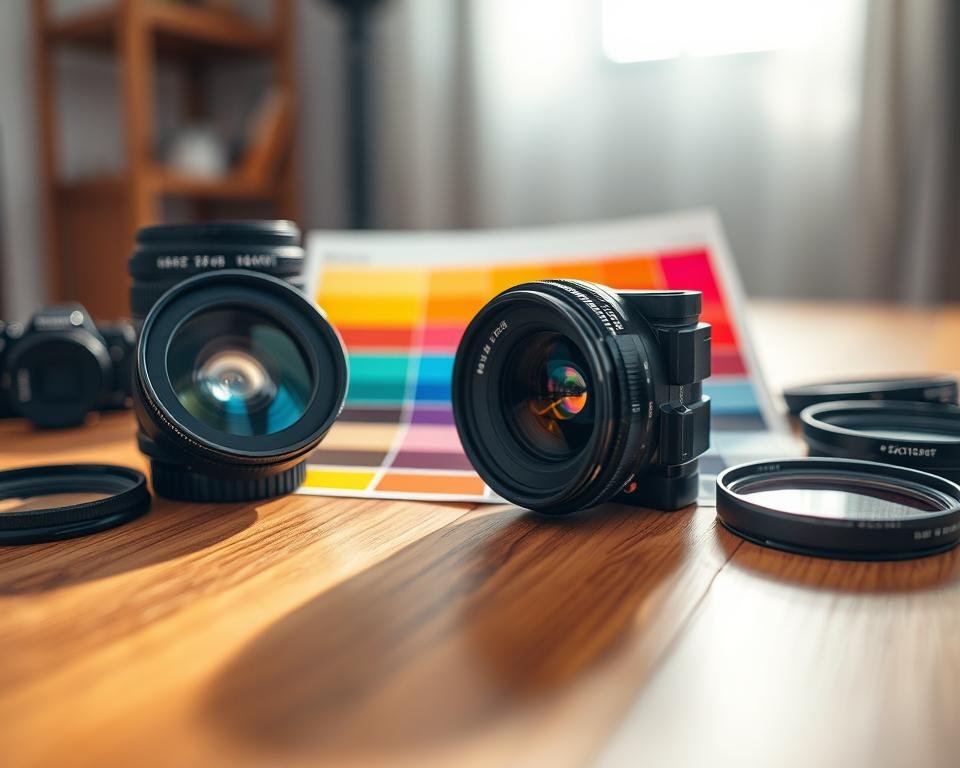
With careful adjustments, you can create stunning product photos. They’ll be detailed and visually stunning.
Common Challenges in Macro Photography
Mastering macro photography means knowing how to tackle common problems. Macro shots need a lot of precision and patience. This is true for product shots in particular.
Two big challenges in macro photography are movement and wind, and not enough light. Let’s look at these issues and how to solve them.
Dealing with Movement and Wind
Movement and wind can ruin macro shots. Even a little movement can blur the image. To fix this, using a strong tripod is key.
Also, a remote shutter release or self-timer can reduce camera shake. When outside, protect your subject from wind. You can do this by finding a sheltered spot or making a windbreak.
Overcoming Lighting Limitations
Lighting is vital in macro photography. Bad lighting can make images dark or too bright. To solve this, I mix natural and artificial light.
Shooting near a window can give soft, diffused light. But for more control, I use LED panels or flash. Diffusers and reflectors help soften the light and cut down shadows.
| Lighting Technique | Description | Best Use |
|---|---|---|
| Natural Light | Soft, diffused light near a window or outside | Product shots requiring subtle lighting |
| Artificial Light | External light sources like LED panels or flash | Controlled lighting for detailed product shots |
| Diffused Light | Softened light using diffusers | Reducing harsh shadows and highlights |
By tackling these common problems, photographers can make their macro shots better. It’s about being ready and flexible. Sometimes, you need to think creatively to get past the hurdles.
Styles of Macro Photography
Exploring macro photography, I find many styles that let photographers show their creativity. Macro photography covers a wide range of techniques and subjects. It’s both versatile and engaging.
Knowing the different styles in macro photography helps photographers match their approach to their subject and vision. Two main styles are product macro shots and nature macro shots.
Product Macro Shots vs. Nature Macro Shots
Product macro shots focus on the details of products, used in commercial and advertising photography. These shots need precision and detail to show the product’s features well.
Nature macro shots capture the details of the natural world, like flowers, insects, and textures. This style requires patience and knowing the subject’s behavior or habitat.
Key differences between product and nature macro shots include:
- Subject Matter: Product macro shots are about man-made objects, while nature macro shots are about natural elements.
- Lighting: Product macro shots use controlled lighting, while nature macro shots might use natural or a mix of natural and artificial light.
- Composition: Product macro shots are more structured, while nature macro shots are more flexible and adapt to the subject’s environment.
Creative Approaches to Macro Photography
Exploring creative ways in macro photography helps photographers find their unique style. Techniques include trying different angles, creative lighting, and breaking traditional composition rules.
For example, using a macro lens to capture abstract patterns or textures can create striking images. These images show the subject’s detailed beauty.
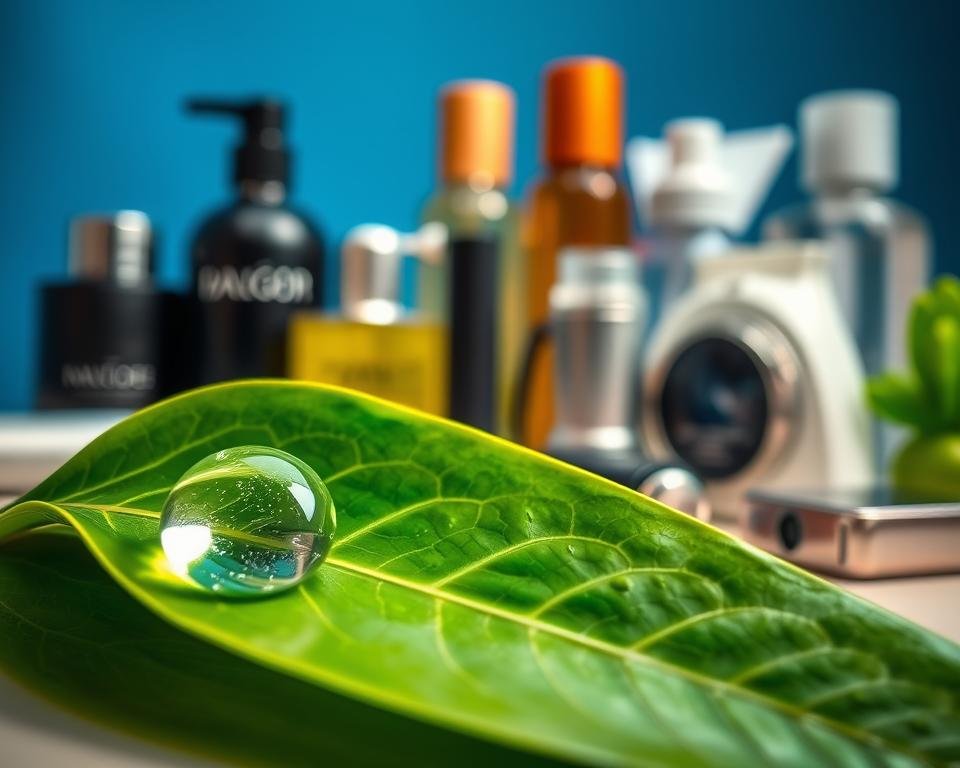
By trying different styles and techniques, photographers can grow their creativity. They can make innovative macro shots that show their artistic side.
Showcasing Your Macro Photography
After taking amazing product macro shots, it’s time to show them off. Showing your macro photography well is key to getting noticed and finding new chances. By being active online and connecting with other photographers, you can get more people to see your work.
Building an Online Portfolio
Having an online portfolio is a must for showing off your macro photography. It lets you share your top shots with people all over the world. You can use Wix or WordPress to make a site that looks professional.
When making your portfolio, keep these tips in mind:
- Choose your best photos to show off your talent.
- Write clear, short descriptions for each photo.
- Make sure your site is easy to get around.
Social Media Strategies for Exposure
Using social media is a smart way to show off your macro photography. Sites like Instagram and 500px are favorites among photographers. To get more views, use the right hashtags and talk back to your followers.
Here’s a simple table to help you with social media:
| Platform | Hashtags to Use | Posting Frequency |
|---|---|---|
| #macro #productmacro #photography | 3 times a week | |
| 500px | #macro #productphotography #macro_shots | 2 times a week |
Entering Photography Contests
Entering photography contests is a smart move to get your macro photography seen. Look for contests that focus on product macro shots or macro photography. Winning or being a finalist can really help your reputation.
When you enter contests, remember to:
- Read the rules carefully.
- Send your best photo that fits the contest theme.
- Keep up with the contest results and talk to the community.
Conclusion: The Impact of Quality Macro Shots
Macro product shots can make your photography stand out. They offer a fresh view of the world up close. By learning the techniques in this article, you can create amazing images that highlight the beauty in everyday things.
The Significance of Macro Photography
Macro photography lets us see the small details we usually miss. It shows us the texture of products and the patterns on leaves. This reveals a world that’s just beyond our usual sight.
Reflections on Macro Photography
My time with macro photography has been very rewarding. It’s given me chances to explore and find new creative ways. Keep practicing and trying new things. Find what works best for you.