


Did you know 93 percent of shoppers look at pictures first when buying online? This shows how important your photos are for success. I have spent years capturing various goods, and I’m excited to share my top tips with you today.
Creating a unique look is key to standing out online. It’s not just about having a good camera or fancy lights. It’s about making your items look great from the start.
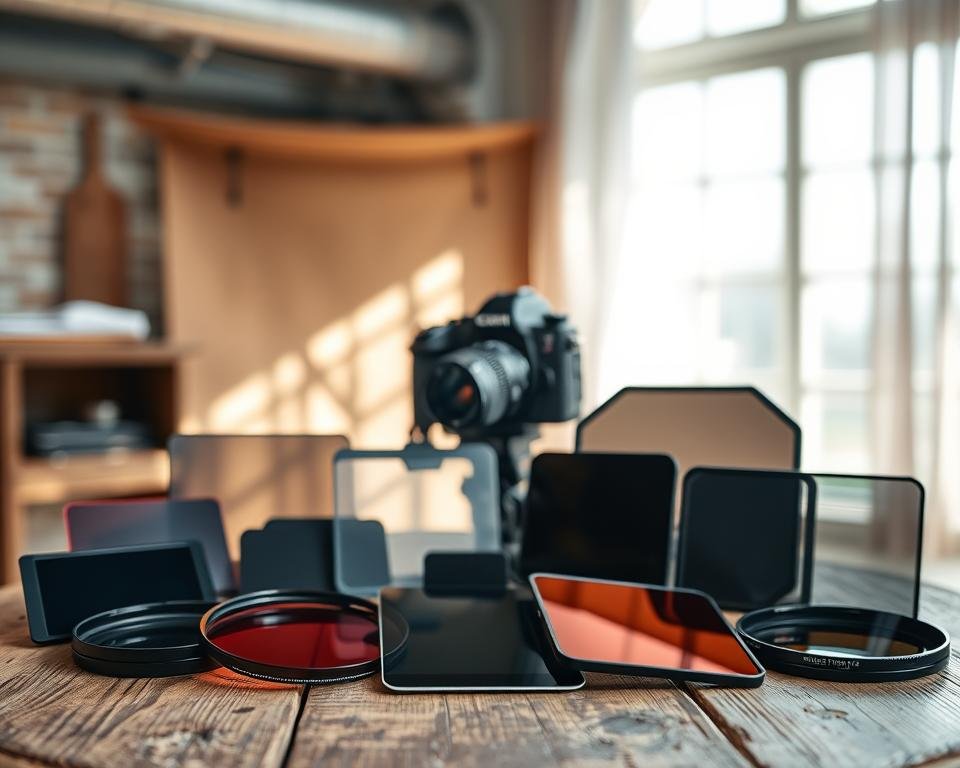
Product photo filters can make a simple photo look amazing. They help with contrast and color, adding a vibrant and inviting feel to your store. I’m here to help you improve your creative skills with this guide.
Key Takeaways
- High-quality visuals drive higher conversion rates for online stores.
- Clean and bright imagery helps build immediate customer trust.
- Digital effects can enhance small details that buyers care about.
- Consistency in your visual style strengthens your overall brand.
- Better lighting effects significantly improve viewer engagement.
- Simple editing tools save you time during the content creation process.
Understanding Product Photo Filters
In the world of product photography, filters are key. They help change colors, contrast, and look. Knowing how to use them can make your product images stand out.
Product photo filters are tools to tweak your images. They help match your brand’s look and appeal to your audience. They fix flaws, brighten colors, and make your products look the same.
What Are Product Photo Filters?
Product photo filters are digital effects for your images. They can change brightness, contrast, or even colors and textures. A study shows they can boost customer interest by up to 20%. “The right filter can make a product look more appealing and professional, directly influencing a customer’s purchasing decision.”
Why Use Filters for Product Photography?
Filters have many benefits for product photography. They help create a consistent brand look. By using the same filters, all your images will look the same, which helps with brand recognition.
They also make your products look better, attracting more customers. A photography expert said,
“Filters can transform an ordinary product image into an extraordinary one, capturing the viewer’s attention and driving sales.”
Filters also save time. Instead of editing each image, you can apply a filter to many at once. This is great for businesses with lots of products.
Types of Filters to Consider
To make your product photos better, it’s key to look at different filters. Professional photo filter software can really help by giving you many filters to choose from. These filters can change your product images in cool ways.
There are many types of product photo filters out there. Each one is made for a specific effect. Knowing about these can help you pick the best filter for your photos.
Color Filters
Color filters are very useful in product photography. They let you enhance or change the colors of your images. This makes them more attractive to buyers. For example, a color filter can highlight a product’s main features.
Gradient Filters
Gradient filters are great for fixing the brightness and contrast in your photos. They help you adjust the light and dark parts of the image. This makes your photos look better and more balanced.

Specialty Filters
Specialty filters give you advanced and unique effects, like vintage or artistic looks. These filters can make your product images stand out. They add a special touch that makes your photos unique.
By knowing about and using different filters, you can make your product images more interesting. This will grab the attention of your audience.
Choosing the Right Filter for Your Product
To stand out in a crowded market, you need to pick a filter that makes your product shine. It should also match your brand’s identity. With so many photo editing filters out there, finding the right one can be tough.
Understanding your brand’s visual style and the products you’re showing is key. This helps you create a look that speaks to your audience.
Consider Your Brand’s Aesthetic
Your brand’s aesthetic is more than looks; it shows your brand’s personality and values. Think about how a filter will affect your brand’s image when you choose one.
If your brand is all about minimalism and modernity, choose filters that highlight your product’s features without being too flashy. For a brand that loves bright colors and fun, pick filters that add energy and color to your photos.
Match Filters to Product Category
Each product category needs a different approach with photo editing filters. For example, fashion products look great with filters that make colors pop and textures stand out. Electronics, on the other hand, need filters that show off their sleek design and features.
| Product Category | Recommended Filter Style | Effect on Image |
|---|---|---|
| Fashion | Color enhancement, texture accentuation | Enhances fabric color and texture |
| Electronics | High contrast, sleek design emphasis | Highlights device features and design |
| Home Goods | Warm tones, cozy atmosphere | Creates a welcoming and cozy feel |
By thinking about your brand’s look and matching filters to your products, you can create a unique visual identity. This will help your brand stand out.
Popular Product Photo Filter Options
Choosing the right filter can greatly enhance product photos. With many options available, picking the best ones can be tough. We’ll look at some top product photo filter options to improve your product photography.
Adobe Lightroom Filters
Adobe Lightroom is a great tool for photographers and online stores. It has many filters for fine-tuning product photos. Adobe Lightroom Filters include presets to boost color, contrast, and style of product images.
Adobe Lightroom is great for creating a consistent look in product photos. This is key for brands wanting a uniform look in their product catalog.
VSCO Filters
VSCO is famous for its aesthetic filters that can make product images unique. These filters are popular on social media and e-commerce sites for eye-catching product photos.
VSCO offers a variety of filters for different looks. From small tweaks to big changes, VSCO filters are versatile.
Snapseed Filters
Snapseed is a powerful mobile app for editing product photos. It has a user-friendly interface for all skill levels.
Snapseed’s filters help adjust exposure, contrast, and color. It also has advanced tools like “Tune Image” for detailed edits.
To understand these filters better, here’s a quick comparison:
| Filter Option | Key Features | Ease of Use |
|---|---|---|
| Adobe Lightroom | Presets for color and contrast adjustment, advanced editing tools | Moderate |
| VSCO | Aesthetic filters for unique looks, social media integration | Easy |
| Snapseed | Advanced tools for exposure and color adjustment, user-friendly interface | Easy to Moderate |
The Impact of Filters on Product Perception
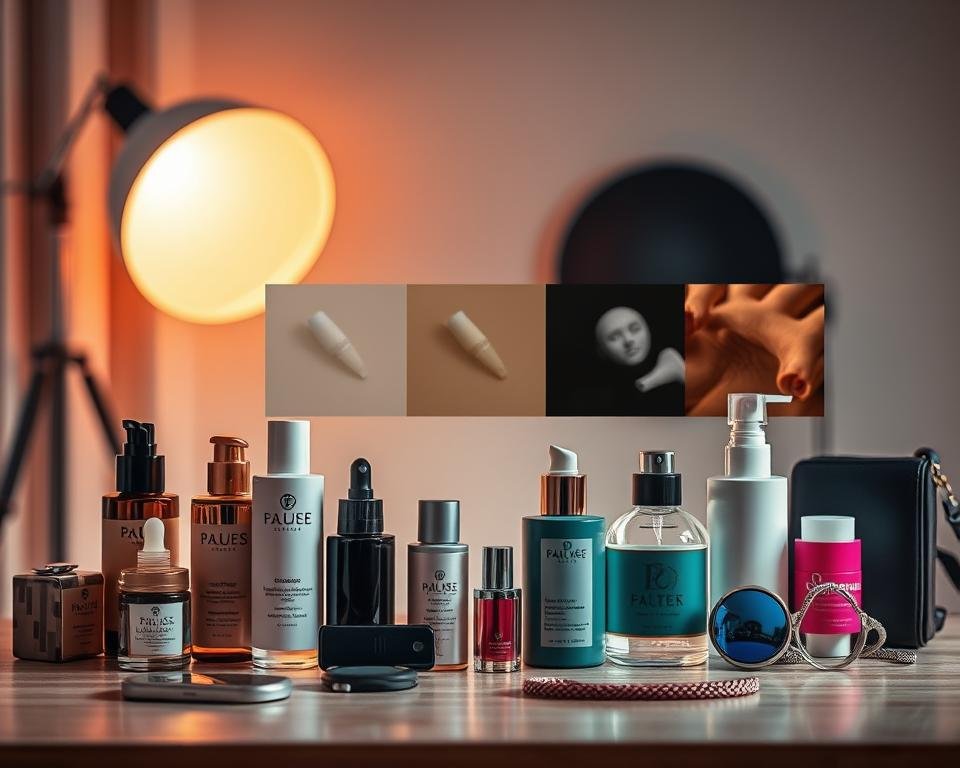
Advanced photo filters can change how people see your product. They highlight its best features. This makes your product images more appealing to customers.
Filters in product photography do more than just make things look good. They create an emotional bond with the customer. When used right, they help your product stand out online.
Enhancing Color and Detail
Filters can make your product images pop by improving color and detail. Advanced photo filters adjust brightness, contrast, and saturation. This makes the product more eye-catching.
For example, filters can make a product’s colors more vibrant. This draws the customer’s attention. For clothing, a filter that enhances texture and color is great. For electronics, a filter that shows off design and screen clarity works well.
Creating a Consistent Look
Having a consistent look in your product images is key for a strong brand. Using the same filters across your products creates a visual identity. This is what customers associate with your brand.
| Filter Type | Effect on Product Image | Brand Perception |
|---|---|---|
| Bright and Colorful | Makes the product more vibrant and appealing | Fun, Energetic Brand |
| Muted and Pastel | Gives the product a softer, more subtle look | Soft, Elegant Brand |
| High Contrast | Highlights the product’s details and textures | Professional, High-End Brand |
Choosing and using filters wisely can boost your product images’ appeal. It also helps create a consistent brand image. This image will resonate with your target audience.
Tips for Using Filters Effectively
Using filters right can really boost your product photos. The right filters can make your images more eye-catching and appealing to customers.
It’s important to find the right balance with filters. Too many can ruin the natural look of your product. But, used wisely, they can make your images stand out.
Don’t Overdo It
One key tip is to not overuse product photo filters. Too many or too strong filters can make your photos look fake or overdone.
Start with small changes and build up. Always compare your filtered photos with the originals. This helps ensure the filters enhance the image without overwhelming it.
Test Different Filters
Trying out different product photo filters is essential. Each filter can change your image in unique ways. What works for one product might not work for another.
Make a table to compare different filters’ effects. Here’s an example:
| Filter Type | Effect on Image | Suitability |
|---|---|---|
| Color Filter | Enhances or changes the color tone | Products with vibrant colors |
| Gradient Filter | Adjusts exposure and contrast | Products with high contrast areas |
| Specialty Filter | Applies unique effects | Creative or artistic product showcases |
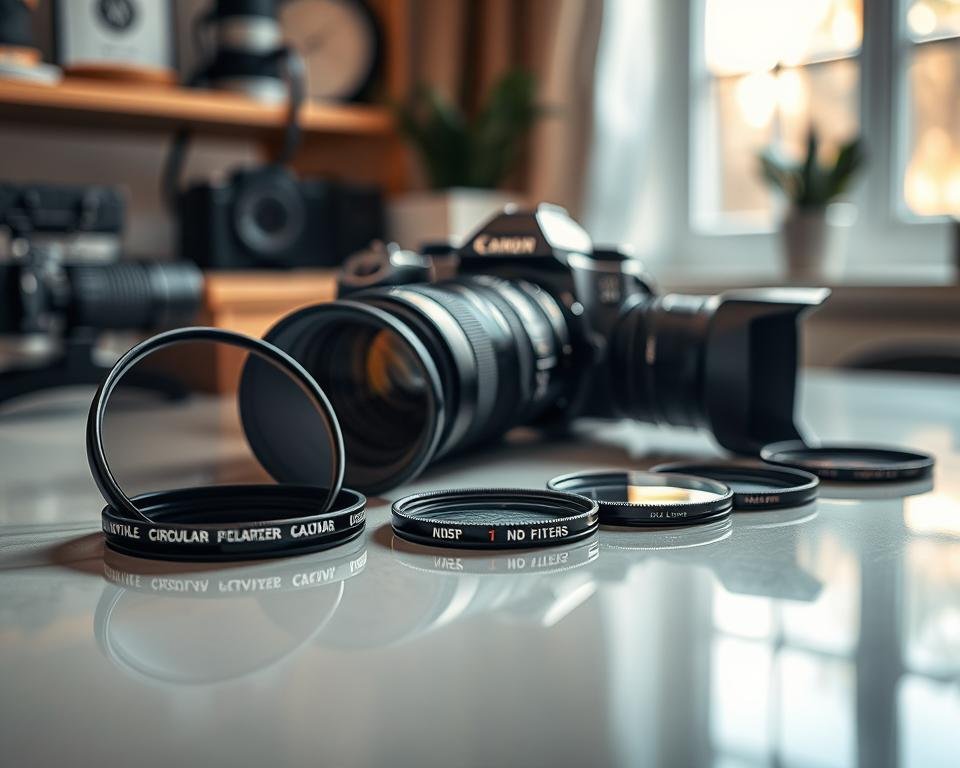
By testing and comparing filters, you can find the best ones for your brand. This way, you can make images that grab your audience’s attention.
The goal is to improve your product images, not to hide the product. With the right filters, you can create stunning images that draw in viewers.
Editing Software for Applying Filters
Editing software is key for adding filters to product photos. There are many choices, making it hard to pick the right one. Knowing what each software can do helps you decide.
Think about what you need. Do you have specific products or editing tasks? Some software is better for complex tasks than others.
Adobe Photoshop
Adobe Photoshop is a top choice for editing. It has many tools for filters and improving photos. It’s popular among pros for its power and detail.
Adobe Photoshop has:
- Advanced filter options
- Layering and masking capabilities
- Precise color adjustment tools
Here’s how Adobe Photoshop compares to other software:
| Feature | Adobe Photoshop | Mobile Editing Apps |
|---|---|---|
| Advanced Filter Options | Yes | Limited |
| Layering and Masking | Yes | No |
| Color Adjustment Tools | Yes | Yes |
Mobile Editing Apps
Mobile editing apps are great for editing on the go. Apps like VSCO and Snapseed have filters and tools for your photos.
When using mobile apps, remember:
- Pick apps with the filters and tools you need.
- Try different apps to find your favorite.
- Use the apps’ easy interfaces to speed up editing.
Knowing your options helps you pick the right editing software. This ensures your product photos look great with the best product photo filters and are perfectly edited.
Real-Life Examples of Filtered Product Photos
Product image filters are key in product photography. They help brands make their images stand out. Let’s look at some examples of brands that have used filters to improve their photos.
Case Studies of Successful Brands
TENS Sunglasses is a great example. They used Instagram filters to create a unique look for their photos. An article on The Branding Journal talks about how they did it.
Fashion brands also use professional photo filter software. They apply filters to make their products look consistent. This helps customers recognize their brand.
Before and After Using Filters
Looking at before-and-after photos shows how filters work. They can make a big difference in how a product looks.
A dull photo can become vibrant with the right filter. This change can make the product more appealing to buyers.
These examples show that product image filters are very useful. They help brands improve their photos, create a consistent look, and boost sales.
Common Mistakes to Avoid with Filters
Using photo editing filters can be exciting, but it’s easy to make mistakes. Paying attention to common errors can help you get better results. This way, your product photos will look professional.
Watching Out for Oversaturation and Overexposure
One big mistake is using too many filters. This can make colors look unnatural and details disappear. To fix this, test different filter settings and check your photos on different devices.
The Role of Lighting Conditions
Don’t ignore the lighting when taking photos. The right lighting can make filters work better. Think about the lighting when you take your photos to pick the best filters.
Knowing these common mistakes and using filters wisely can improve your product photos. This will grab your audience’s attention and make your images stand out.